Content of the information board on site with further details
Herbs are not only valuable to us humans. Many insects need them too. Beetles, flies, wasps and bees visit their flowers and help with pollination. Many herbs are planted in spring and harvested in summer or autumn. It is usually the leaves that are eaten. It is best to leave most of the flowers in place, as this is where insects find nectar.
Note: The points ‘Smells’ and ‘Looks like’ do not appear on the information board. They are included here as additional information.
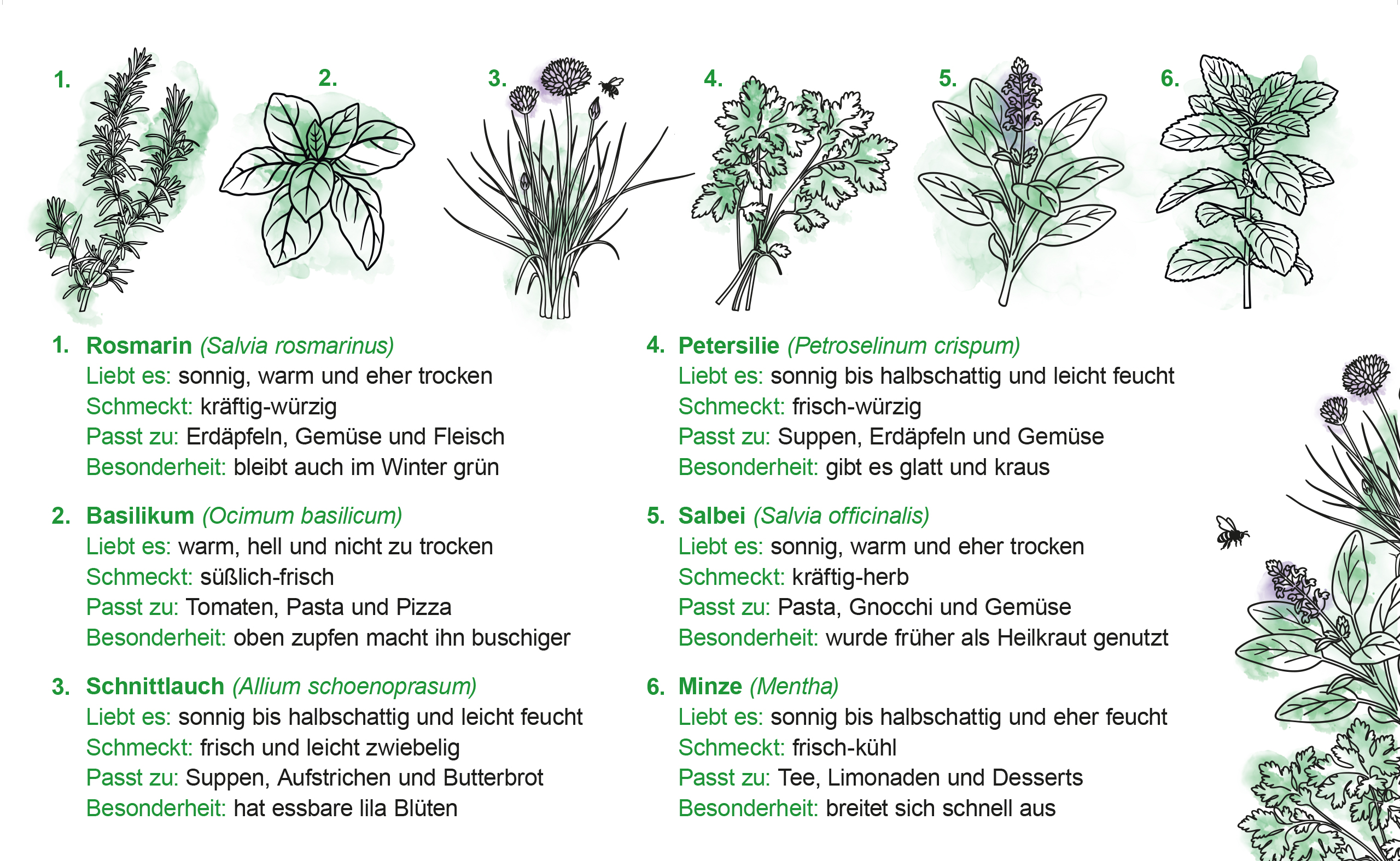
On-site herb display© Stadt Innsbruck/K. Iwanowa
Rosemary (Salvia rosmarinus)
- Likes: sunny, warm and fairly dryconditions
- Flavour: strong and spicy
- Goes well with: potatoes, vegetables and meat
- Special feature: stays green even in winter
- Texture: the leathery, needle-like leaves feel firm and rough
- Smells of: pine, spruce or pine needles; reminiscent of incense
- Appearance: Rosemary is an evergreen subshrub. It is characterised by woody, sturdy stems and numerous narrow, needle-like leaves. The leaves are dark green and smooth on top, whilst the underside has a silvery-white sheen. Between May and the summer months, the plant bears small, pale purple to blue flowers.
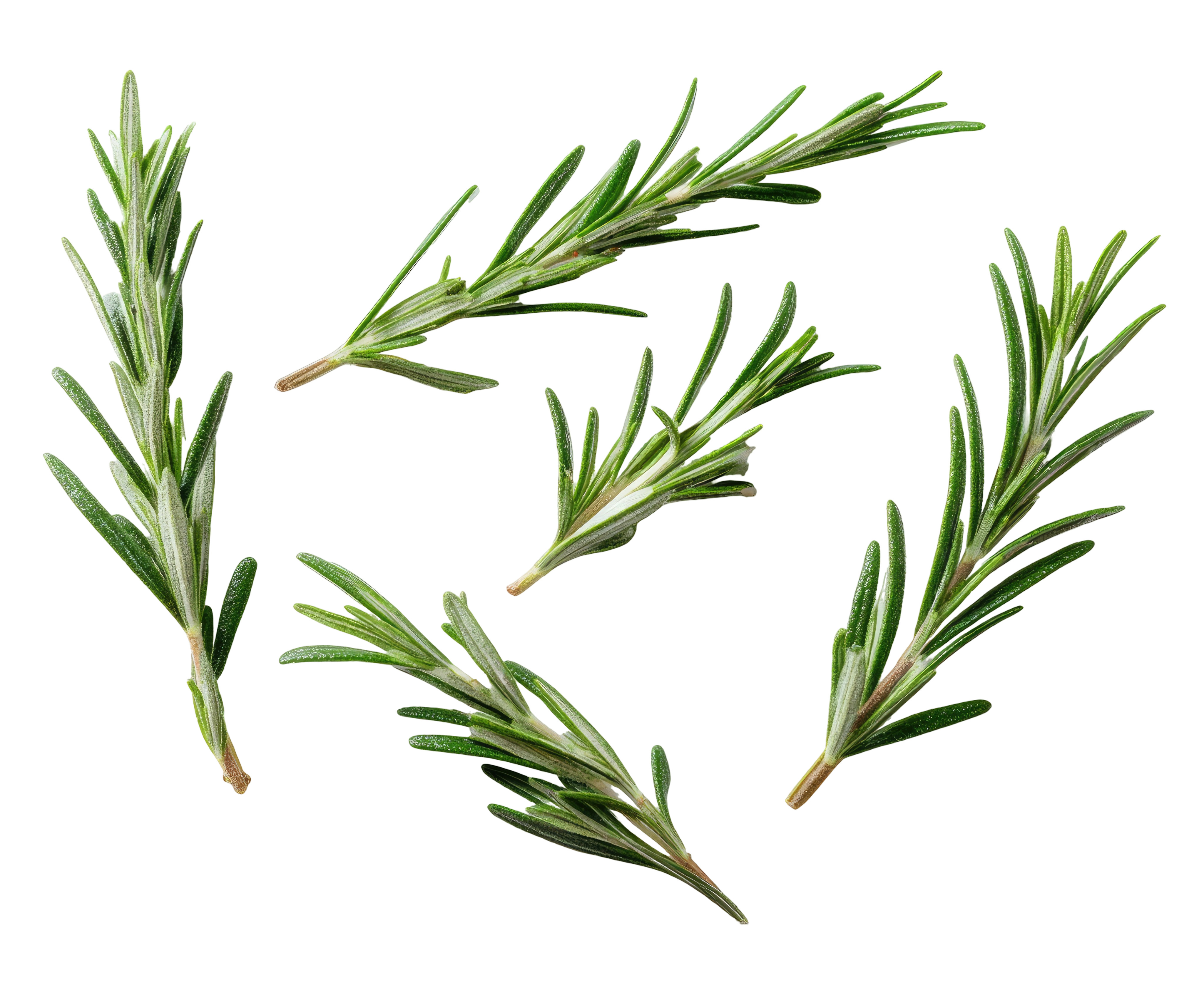
rosemary sprigs© Adobe Stock
Basil (Ocimum basilicum)
- Prefers: warm, brightconditions and not too dry
- Taste: sweet and fresh
- Goes well with: tomatoes, pasta and pizza
- Special feature: pinching the top encourages bushy growth
- Feels like: Basil leaves feel delicate, soft and smooth. They have a velvety yet succulent texture and are usually slightly domed. The upper side is matt to glossy, whilst the underside is slightly lighter in colour and has a finer texture.
- Smell: primarily fresh, spicy and herbaceous
- Appearance: aherbaceous plant with square stems, ovate leaves that are usually smooth-edged, and a cross-opposite arrangement. The leaves are a lush green.
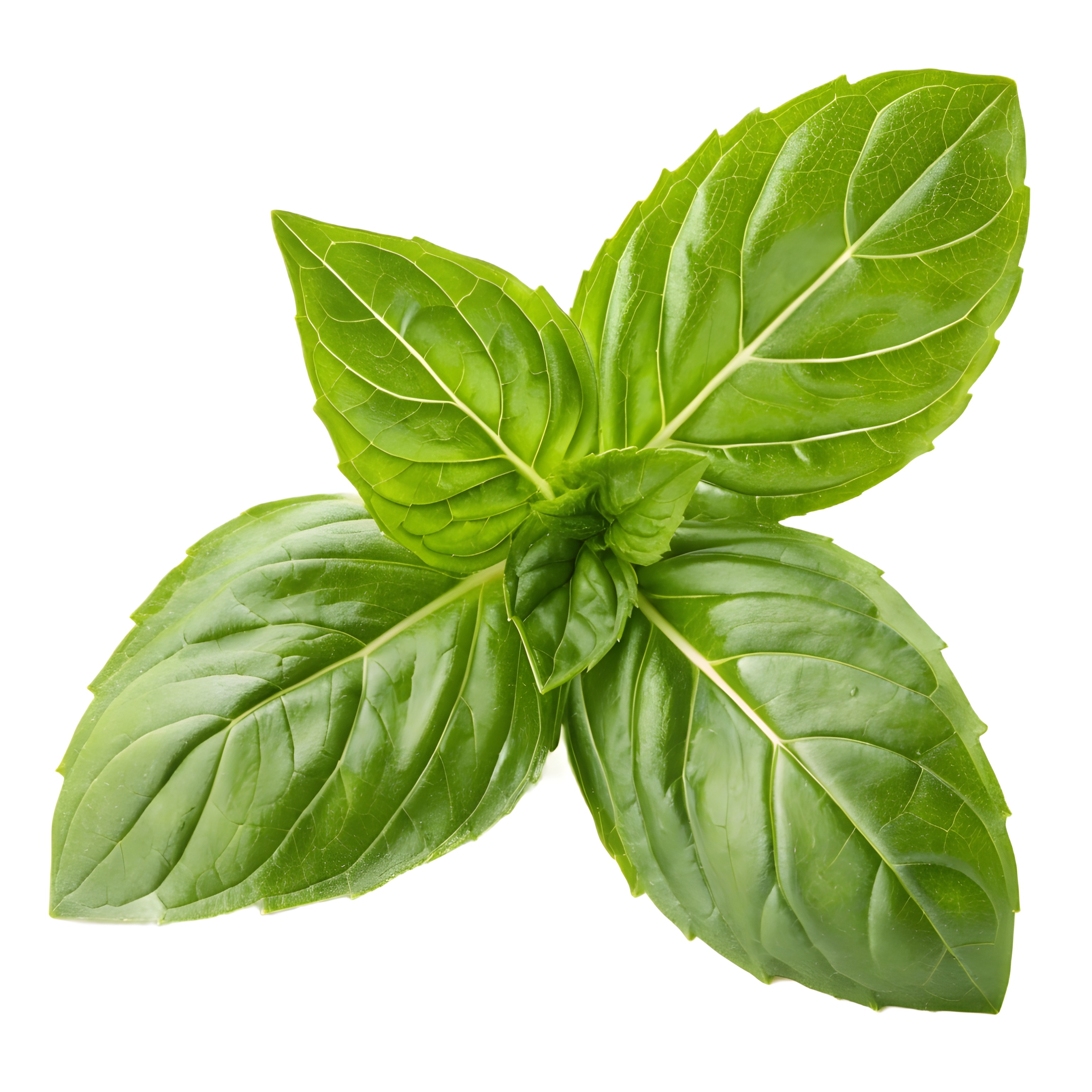
basil leaves© Adobe Stock
Chives (Allium schoenoprasum)
- Prefers: sunny to partial shade and slightly moist
- Tastes: fresh with a slight onion flavour
- Goes well with: soups, spreads and buttered bread
- Special feature: has edible purple flowers
- Texture: the stalksfeel smooth, tender and coolto the touch. They are hollow inside and spring back slightly when gently squeezed together.
- Smell: typically has a spicy, leek-like aroma
- Appearance: grows in dense clumps and consists of dark green, tubular, hollow stalks that can grow up to 50 centimetres tall. Between May and August, it produces characteristic, spherical flowers that are usually a vibrant violet or purple.
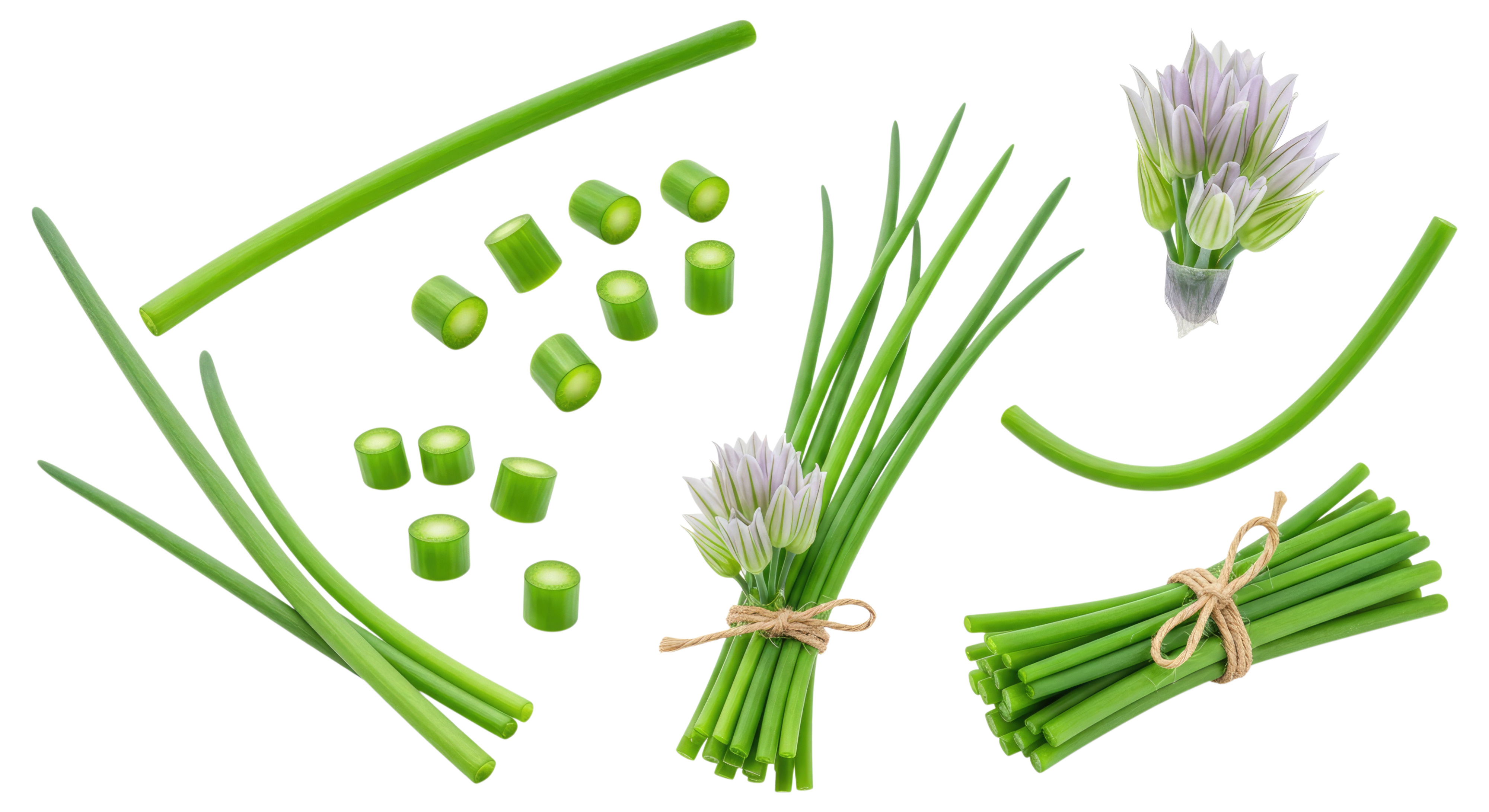
chives© Adobe Stock
Parsley (Petroselinum crispum)
Prefers: sunny to semi-shadedpositions and slightly moist soil
Taste: fresh and tangy
Goes well with: soups , potatoes and vegetables
Special feature: available in flat-leaf and curly varieties
Texture: smooth or slightly rough, depending on the variety. The leaves are tender, pliable and very light. The stalks are thin, crisp and firm.
Smell: spicy andfresh , slightly tart and green
Appearance: has a rosette of feathery, dark-green leaves about 30 centimetres high. There are two main types: flat-leaf parsley and curly parsley.
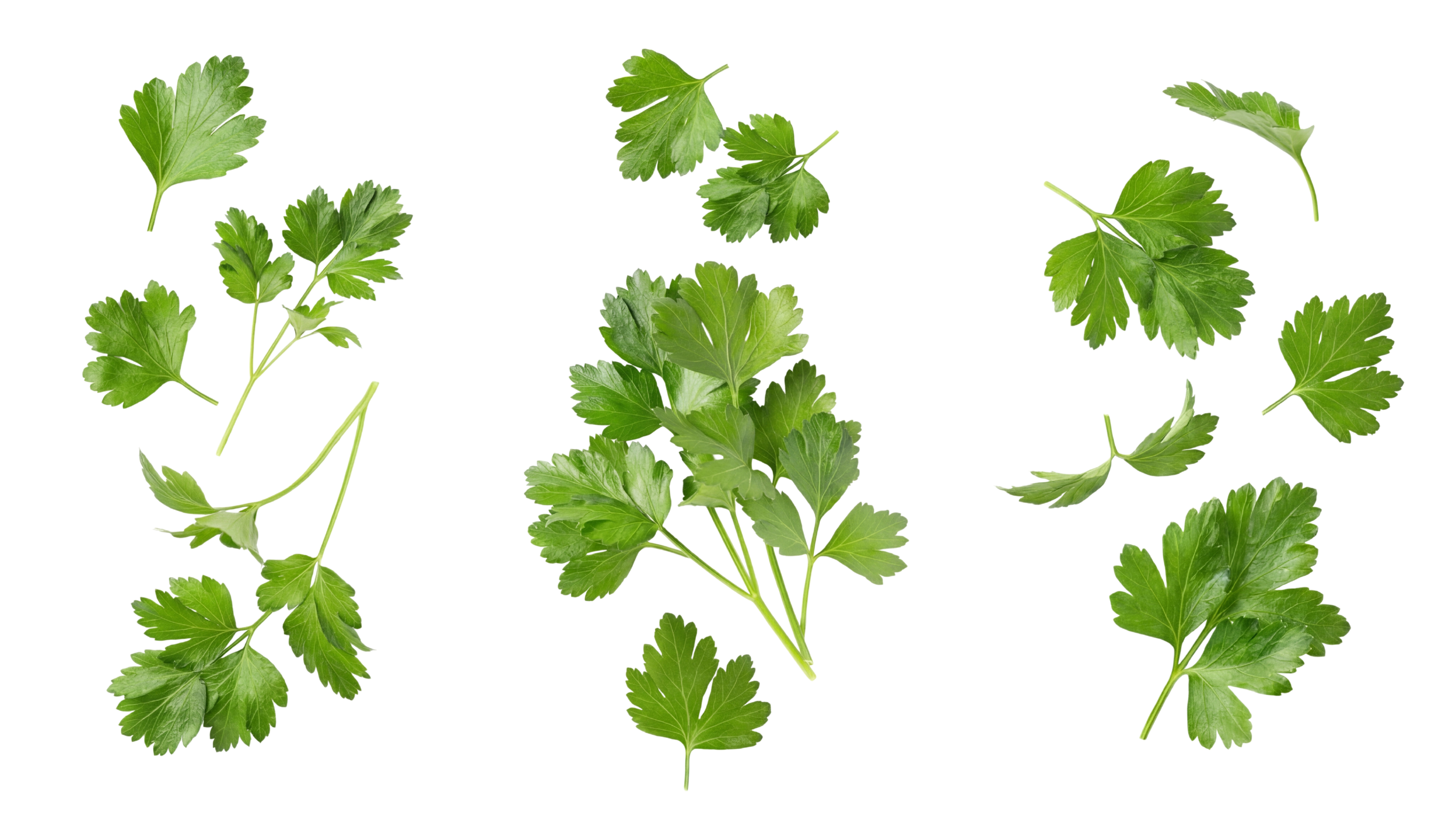
Parsley leaves© Adobe Stock
Sage (Salvia)
- Prefers: sunny, warm and fairly dryconditions
- Flavour: strong and tangy
- Goes well with: pasta, gnocchi and vegetables
- Special feature: was formerly used as a medicinal herb
- Texture: firm and coarse. The leaves are densely covered on both sides with fine hairs, giving them a velvety, soft and almost slightly furry feel.
- Smells of: fresh pine or eucalyptus
- Appearance: an evergreen, bushy perennial growing to a height of 40 to 80 centimetres. Its elliptical, grey-green leaves grow to about 5 centimetres in length.
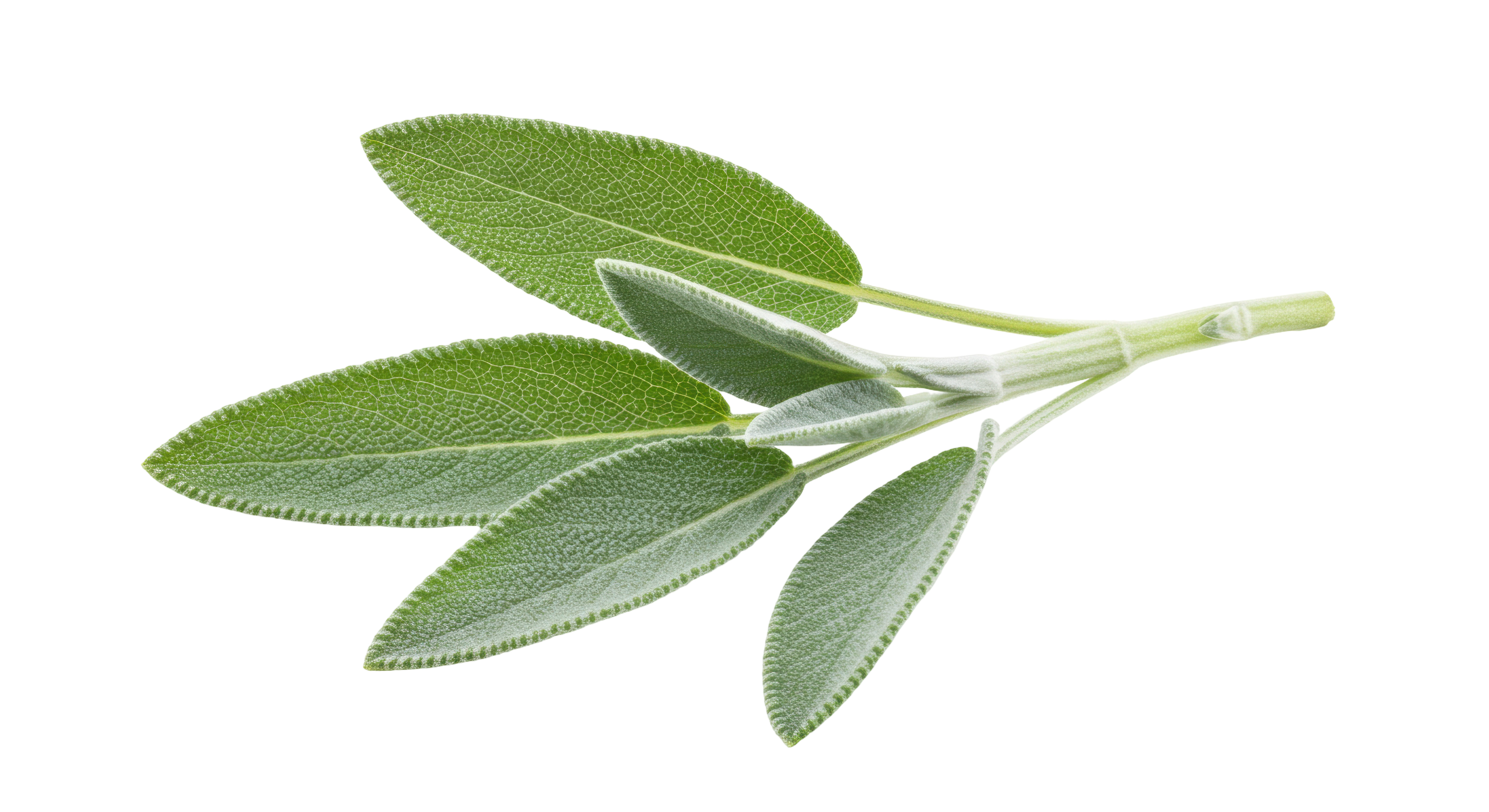
Sage leaves© Adobe Stock
Mint (Mentha)
- Prefers: sunny to partial shade and fairly moistconditions
- Taste: fresh and cool
- Goes well with: tea, lemonade and desserts
- Special feature: spreads quickly
- Texture: usually velvety or smooth
- Smell: true peppermint is strongly reminiscent of chewing gum or toothpaste
- Appearance: angular stems, egg-shaped leaves, often serrated at the edges, and spike-like flowers in white or purple
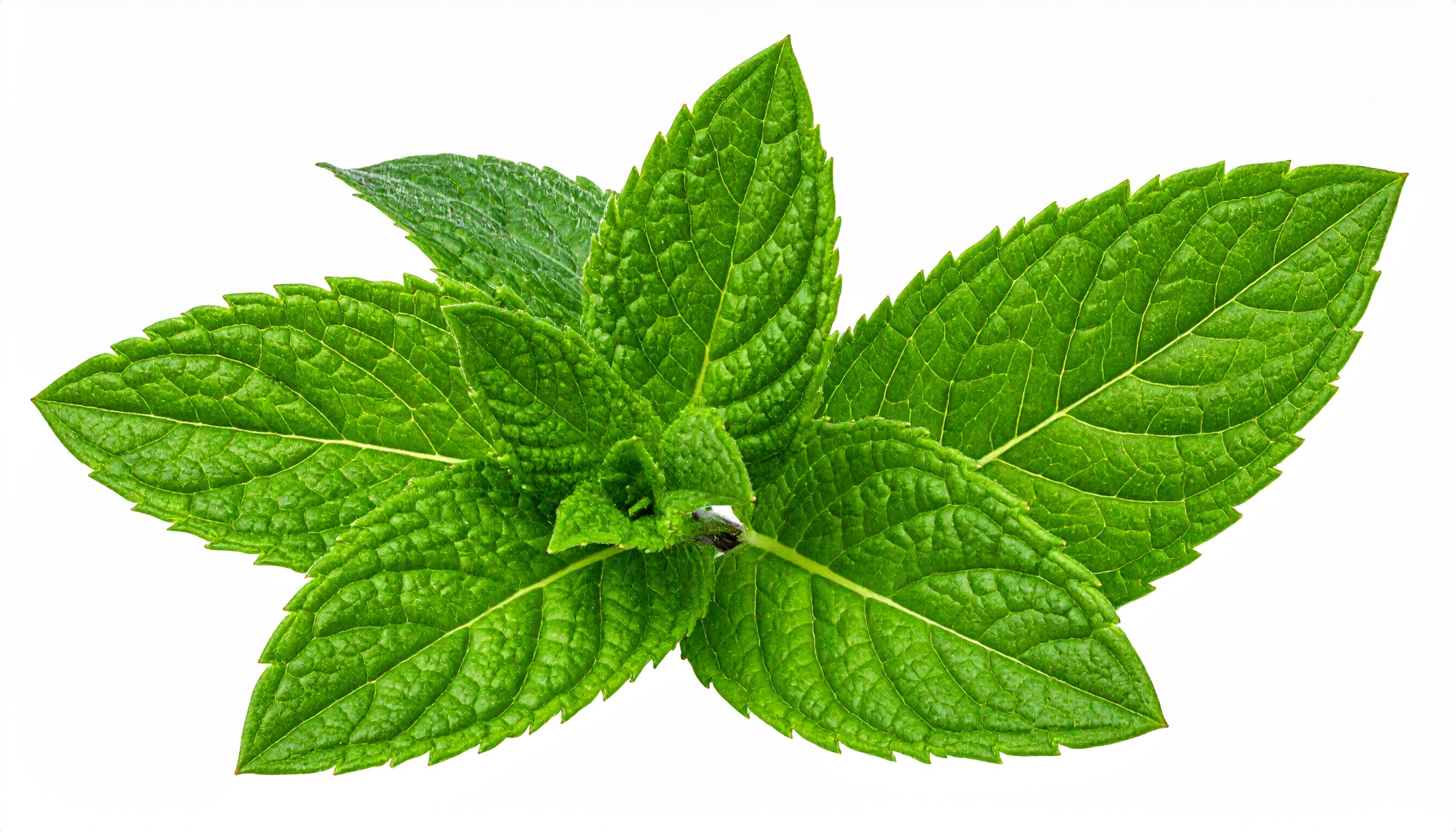
Mint leaves© Adobe Stock