Trees. Leaves. Fruit.

What sort of trees grow in Innsbruck? What do the leaves look like? What does the bark feel like? What are the distinctive features of these plants?

This page was translated automatically. The City of Innsbruck assumes no responsibility for the accuracy of the translation.

Content of the information board on site

What trees grow in our town?

Trees bring our living environment to life: they provide shade, improve air quality and make public spaces more pleasant. Whether on streets, in parks or along rivers, trees are always an asset. For a tree to thrive, it needs a suitable location.

Three tree species in detail:

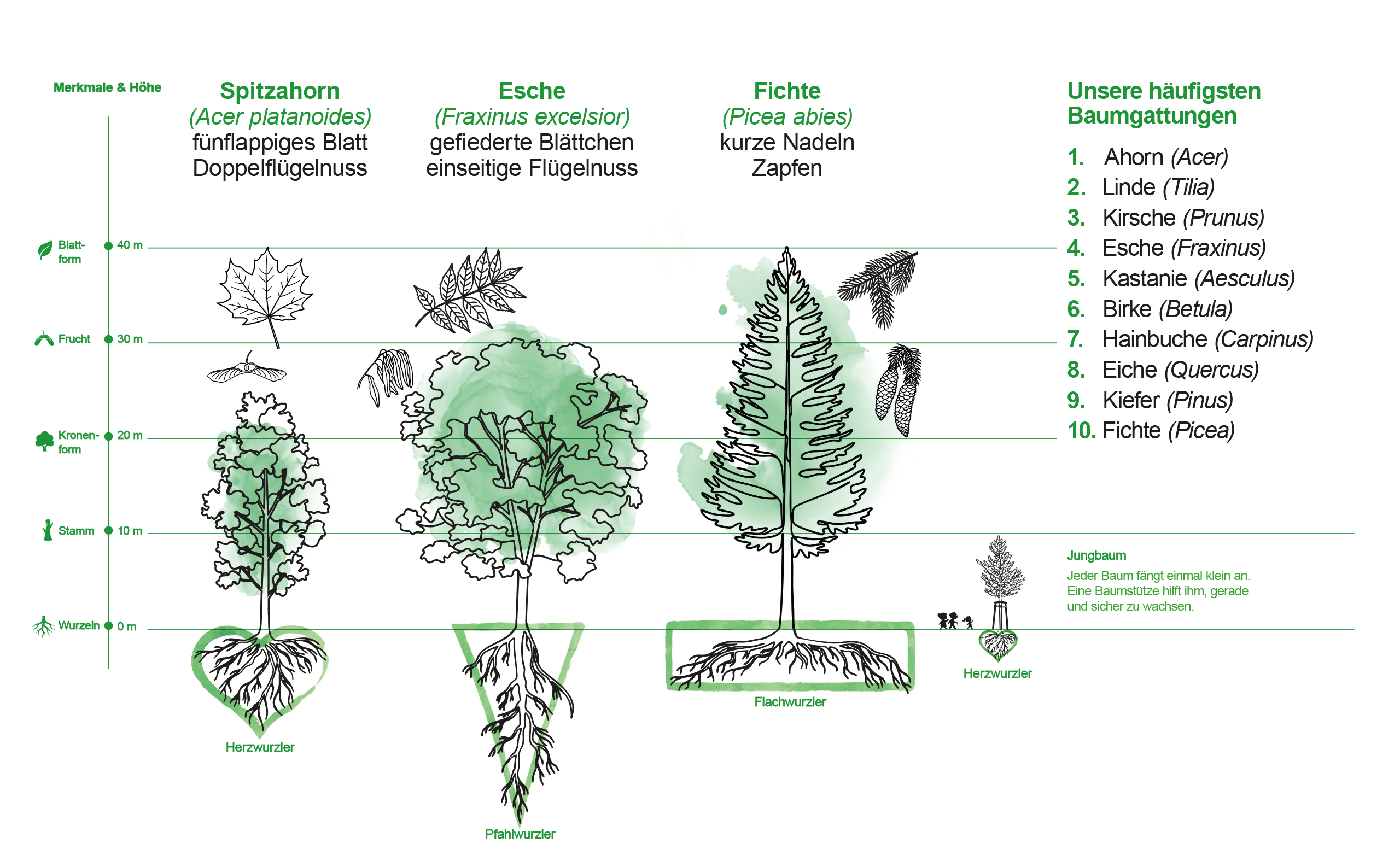
  • Norway maple (Acer platanoides): Species : around 150 species; Leaf shape: five-lobed leaf; Fruit: double-winged nut; Crown shape: columnar; Roots: taproot
  • Ash (Fraxinus excelsior): Species : around 65 species; leaf shape: pinnate leaflets; fruit: one-sided winged nut; crown shape: broad-crowned; roots: taproot
  • Spruce: (Picea abies) Species : around 35 species, Leaf shape: short needles, Fruit: cones, Crown shape: conical, Roots: spreading roots

Our most common tree genera

  1. Maple (Acer)
  2. Linden (Tilia)
  3. Cherry (Prunus)
  4. Ash (Fraxinus)
  5. Chestnut (Aesculus)
  6. Birch (Betula)
  7. Hornbeam (Carpinus)
  8. Oak (Quercus)
  9. Pine (Pinus)
  10. Spruce (Picea)
Eine Abbildung der unteren Tafel: links werden die drei Baumarten Ahorn, Esche und Fichte gezeigt. Man sieht die Blätter, die Samen, die Baumform und die Größe der Bäume. Der Ahorn ist schmal, rund 20 Meter hoch und ein Herzwurzler. Die Esche ist buschig, rund 30 Meter hoch und ein Pfahlwurzler. Die Fichte ist von unten nach oben spitz zulaufend, rund 40 Meter hoch und ein Flachwurzler. Auf der rechten Seite wir die vor dem Bild angeführten Texte "Unsere Stadtbäume auf einen Blick" und "Unsere häufigsten Baumgattungen" angezeigt.

On-site tree information board© Stadt Innsbruck/K. Iwanowa

Eine Abbildung der unteren Tafel: links werden die drei Baumarten Ahorn, Esche und Fichte gezeigt. Man sieht die Blätter, die Samen, die Baumform und die Größe der Bäume. Der Ahorn ist schmal, rund 20 Meter hoch und ein Herzwurzler. Die Esche ist buschig, rund 30 Meter hoch und ein Pfahlwurzler. Die Fichte ist von unten nach oben spitz zulaufend, rund 40 Meter hoch und ein Flachwurzler. Auf der rechten Seite wir die vor dem Bild angeführten Texte "Unsere Stadtbäume auf einen Blick" und "Unsere häufigsten Baumgattungen" angezeigt.

On-site tree information board© Stadt Innsbruck/K. Iwanowa

Further information

Trees in urban areas are becoming increasingly important. They provide shade and improve air quality. They form a living part of the public space, which is constantly changing. The colour green forms the backdrop; in spring, the colours of the blossoms are added; in late summer, fruit can be harvested; and in autumn, the trees turn into a sea of colour. Every tree has roots, leaves or needles, sometimes edible fruit, and its very own shape. Each tree species has its own specific characteristics and is planted where it thrives best. Here you will find the most common tree genera. The name in brackets is in Latin. This language is used in the world of plants.
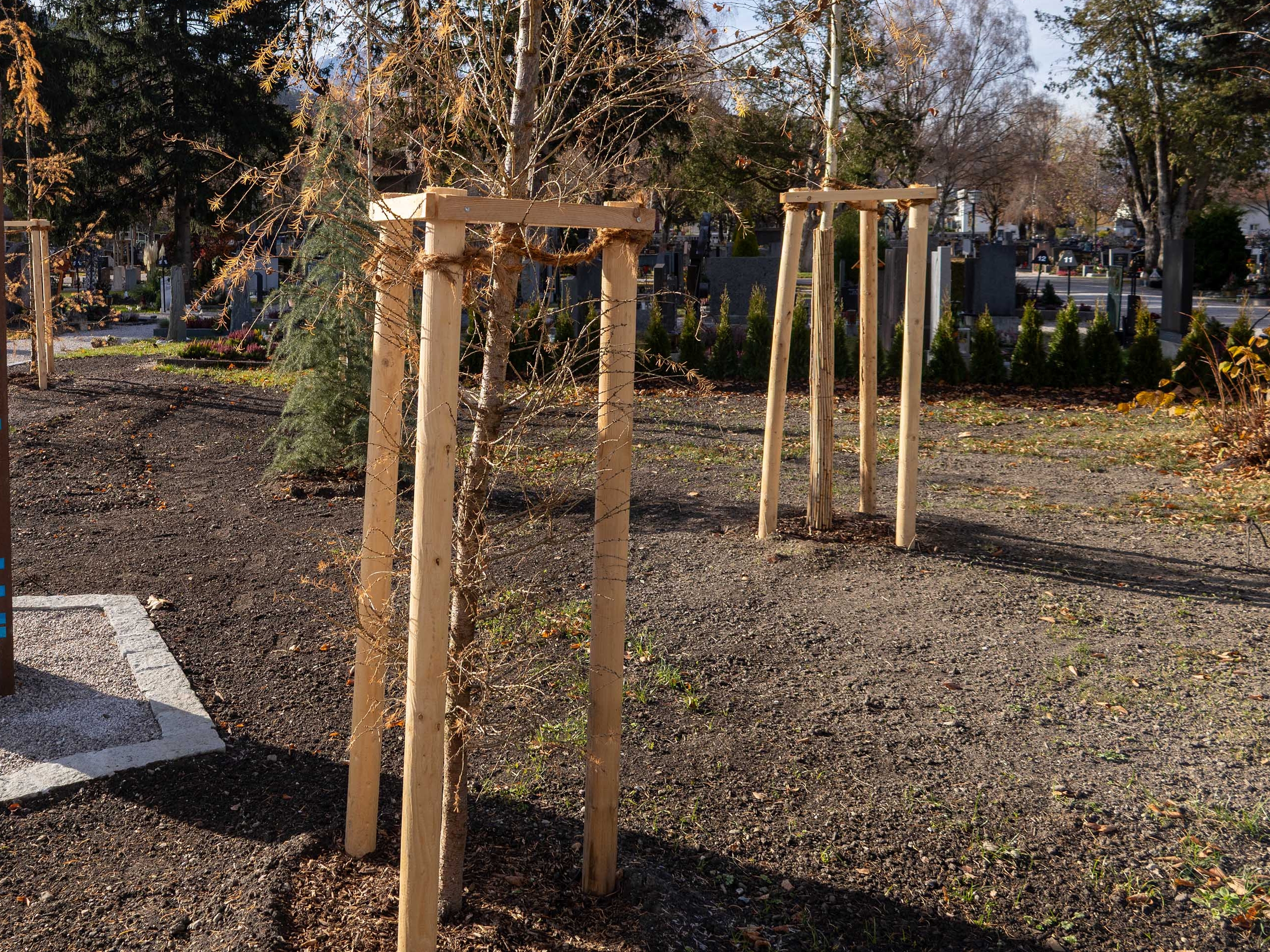
Junge Bäume werden durch stabile Baumstützen aus Holz gesichert. Die Stützen bestehen aus mehreren senkrechten Pfosten, die mit Querbalken verbunden sind und die noch dünnen Baumstämme auf einer offenen Grünfläche stabilisieren.

Even a tree starts out small. And to help it grow better, it’s given a tree stake. © Stadt Innsbruck/F. Bär

Junge Bäume werden durch stabile Baumstützen aus Holz gesichert. Die Stützen bestehen aus mehreren senkrechten Pfosten, die mit Querbalken verbunden sind und die noch dünnen Baumstämme auf einer offenen Grünfläche stabilisieren.

Even a tree starts out small. And to help it grow better, it’s given a tree stake. © Stadt Innsbruck/F. Bär

What kinds of trees are there in Innsbruck?

Trees play a vital role in public spaces. There are around 25,000 trees in the city. They are divided into around 70 tree genera. A distinction is made between trees lining the streets and those in parks or along rivers. It is particularly important to ensure the right environment for each tree. Every tree species requires a different location.

The most common tree species in Innsbruck are the maple, followed by the lime and the cherry.

Three trees in detail

Ash trees grow up to 30 metres tall, making them some of the tallest deciduous trees. Around 65 different species are widespread across Europe. They reach full maturity after around 100 years. The wood is strong and flexible. Because the pale green leaves allow plenty of light through, the tree is popular in parks. The leaves change colour very little and fall early.
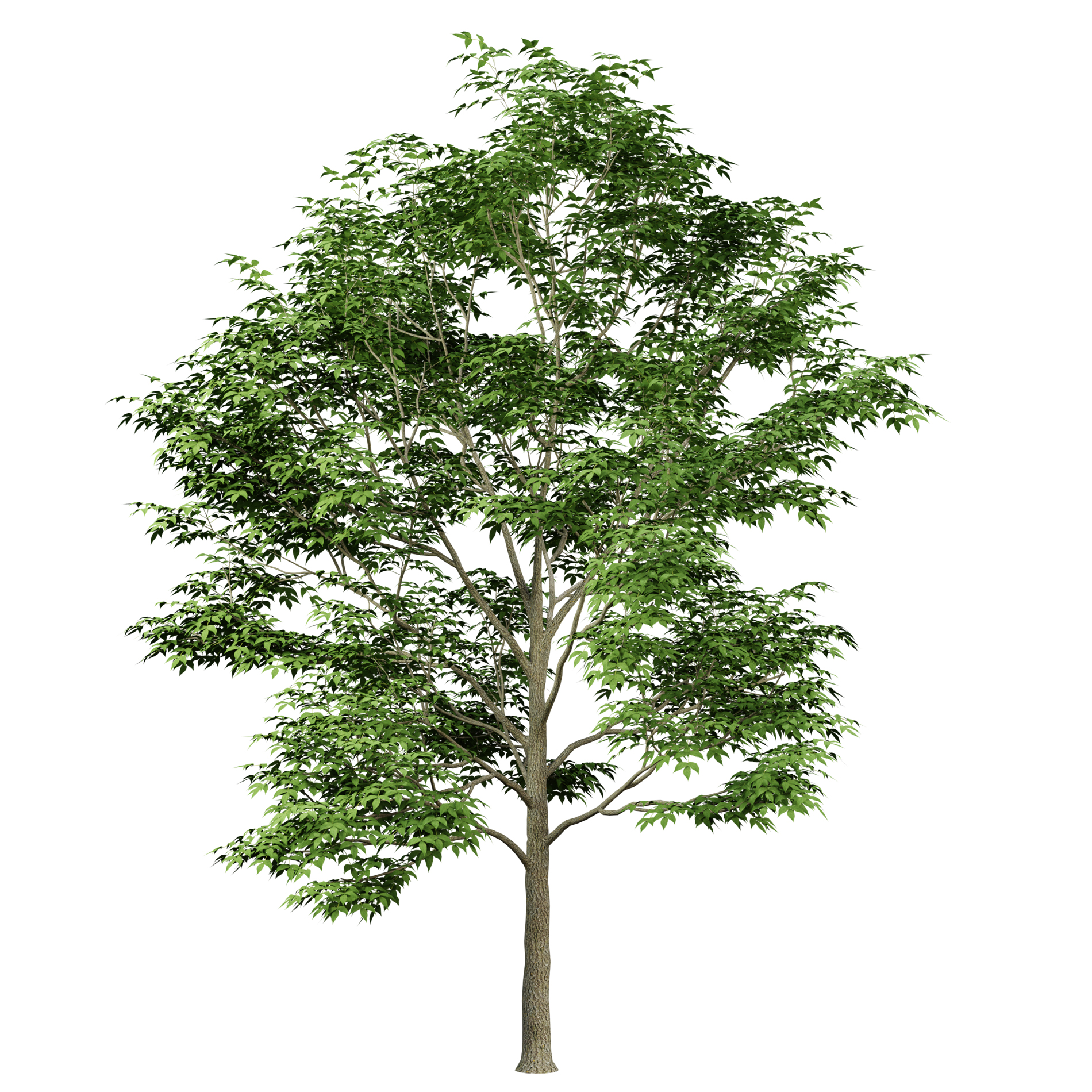
Junge Esche mit schlankem Stamm und lockerer, breit ausladender Krone. Das grüne Laub besteht aus vielen kleinen, gefiederten Blättern, die dicht an den verzweigten Ästen wachsen.

Ash – tree© Adobe Stock

Junge Esche mit schlankem Stamm und lockerer, breit ausladender Krone. Das grüne Laub besteht aus vielen kleinen, gefiederten Blättern, die dicht an den verzweigten Ästen wachsen.

Ash – tree© Adobe Stock

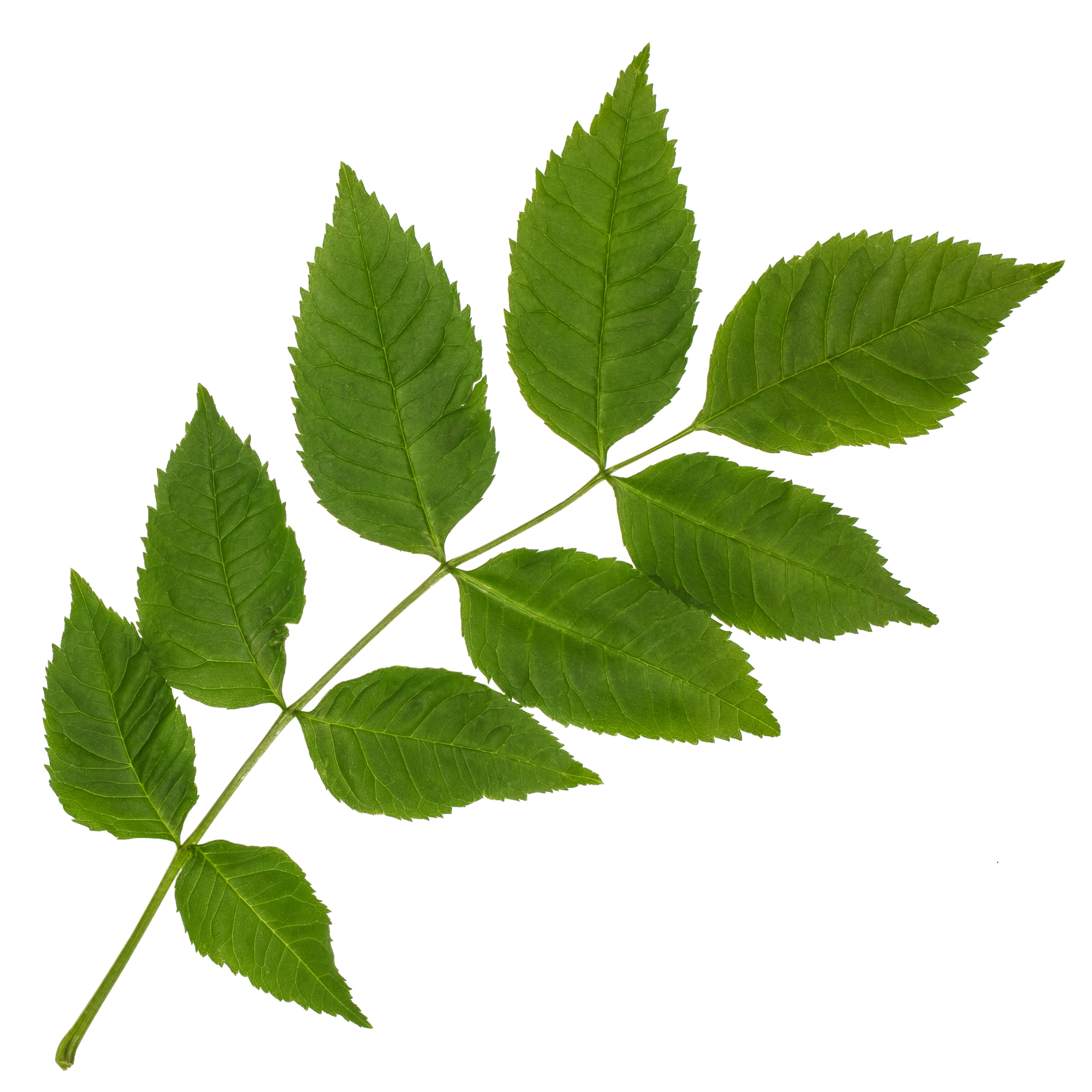
Gefiedertes Eschenblatt mit mehreren ovalen, zugespitzten Einzelblättern. Die Blätter sind leuchtend grün, leicht gezähnt und entlang einer zentralen Blattachse angeordnet.

Ash – Leaf© Adobe Stock

Gefiedertes Eschenblatt mit mehreren ovalen, zugespitzten Einzelblättern. Die Blätter sind leuchtend grün, leicht gezähnt und entlang einer zentralen Blattachse angeordnet.

Ash – Leaf© Adobe Stock

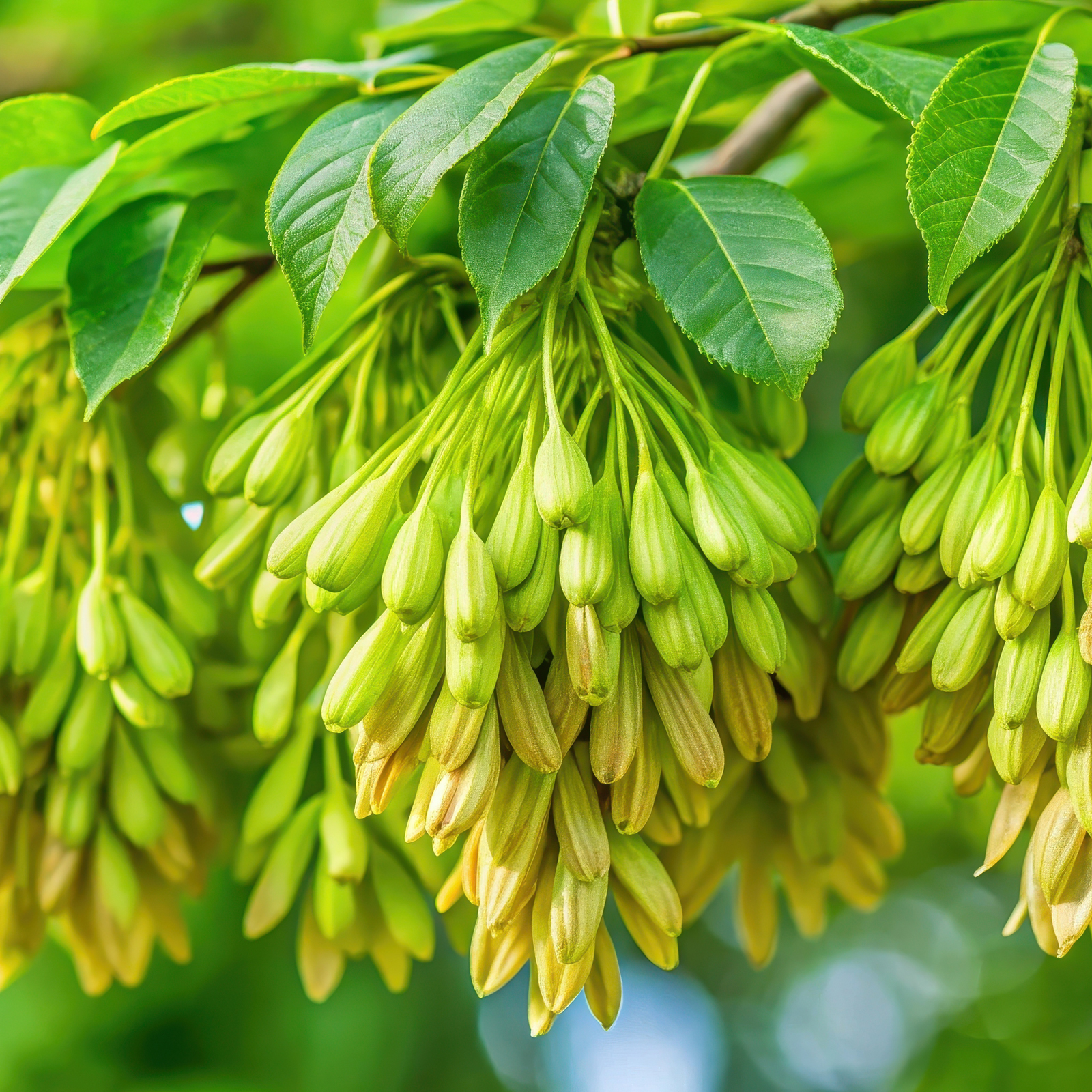
Hängende Fruchtstände einer Esche mit zahlreichen schmalen, hellgrünen Flügelfrüchten. Die Früchte wachsen in dichten Büscheln zwischen grünen Blättern an einem Baumzweig.

Ash – Fruit© Adobe Stock

Hängende Fruchtstände einer Esche mit zahlreichen schmalen, hellgrünen Flügelfrüchten. Die Früchte wachsen in dichten Büscheln zwischen grünen Blättern an einem Baumzweig.

Ash – Fruit© Adobe Stock

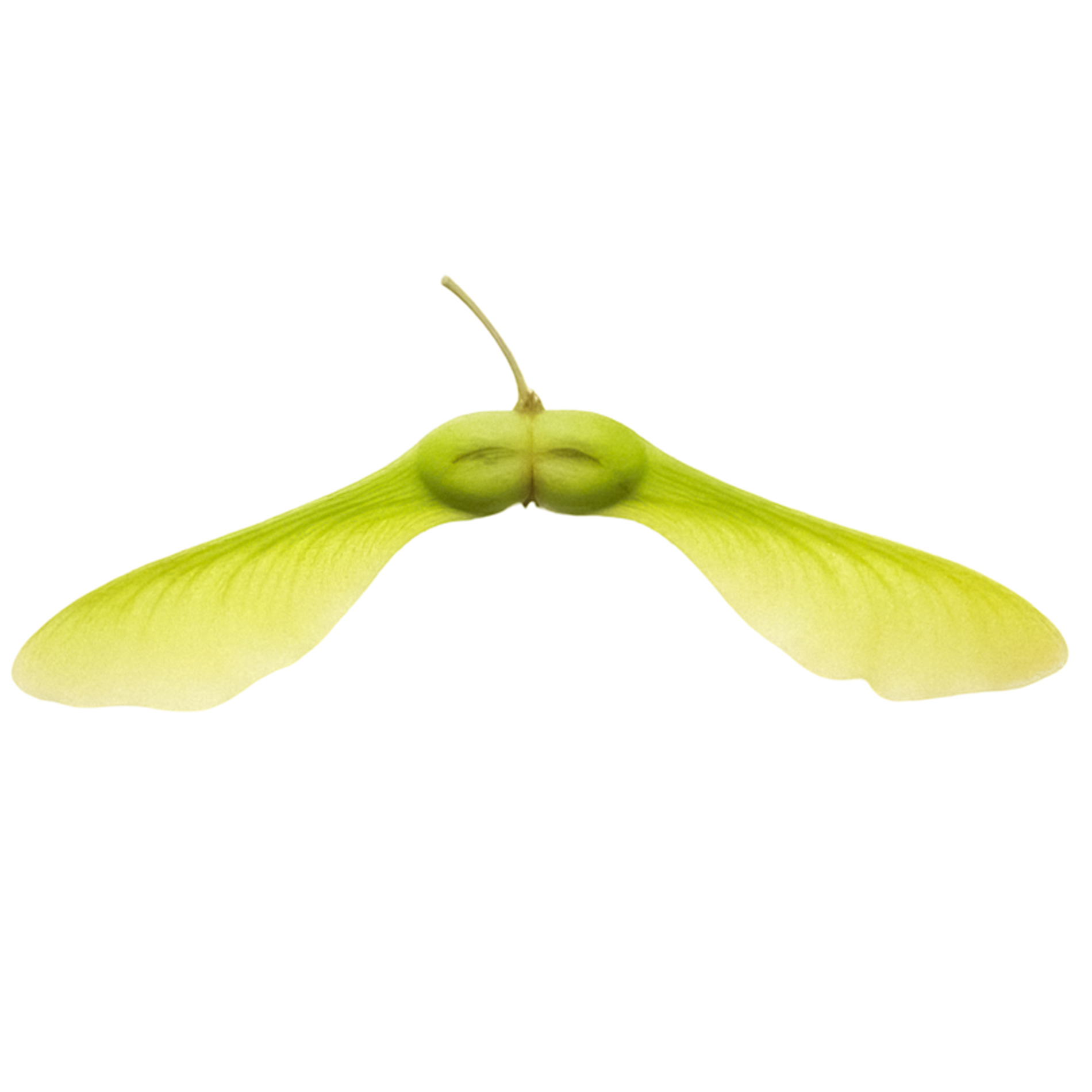
The Norway maple lives up to its name and takes pride of place in Innsbruck: there are around 2,700 trees of this species here. This tree is often planted along roadsides. It is known for its five-lobed leaves, which usually turn red in autumn. The wood is used to make tools such as handles, walking sticks and sledge runners. Thanks to its large leaves, the tree appears very dense and provides plenty of shade. In Canada, the maple leaf is even a national symbol.
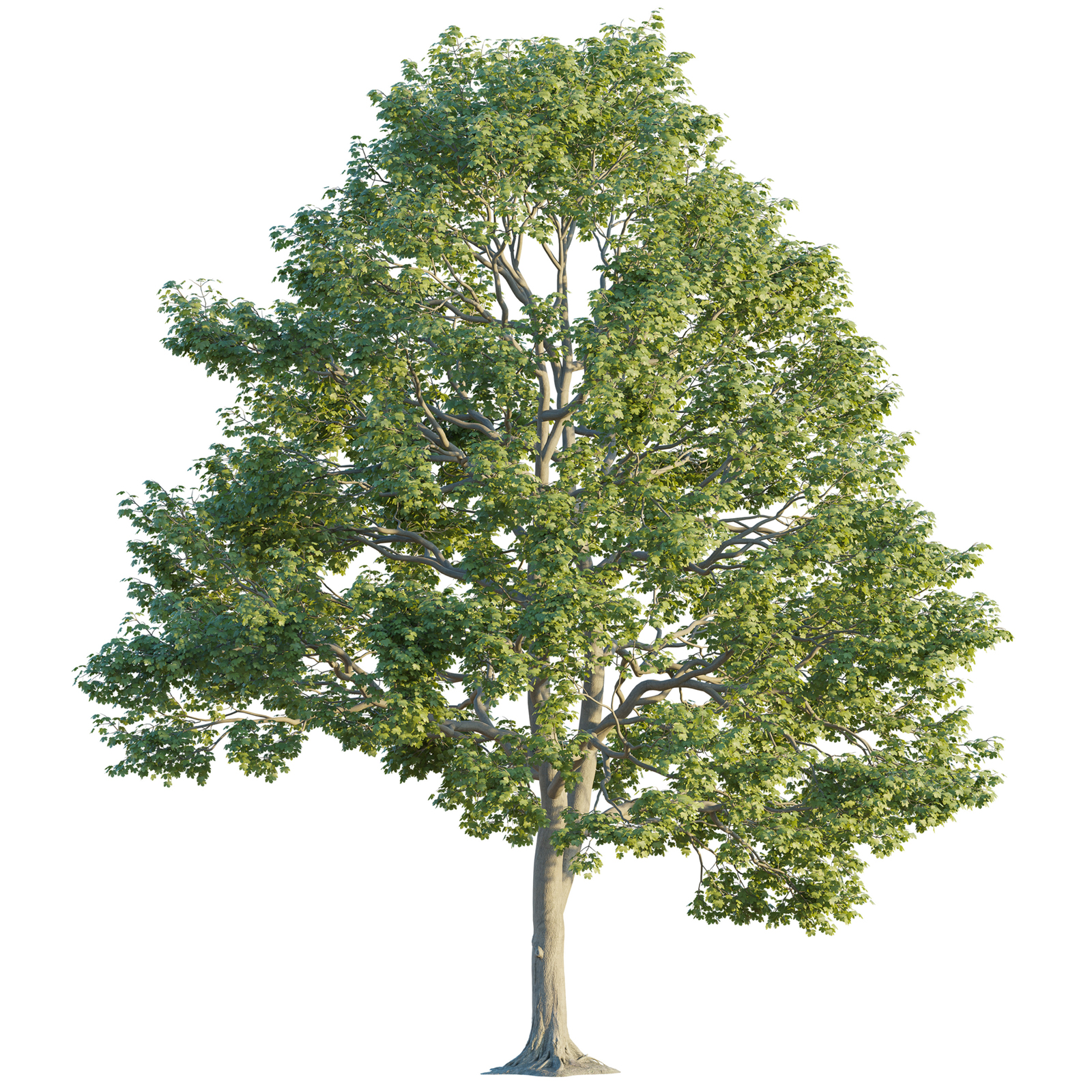
Ahornbaum mit geradem Stamm und dichter, rundlicher Krone. Das grüne Laub wächst dicht an den verzweigten Ästen und bildet eine breite, gleichmäßige Baumkrone.

Maple – tree© Adobe Stock

Ahornbaum mit geradem Stamm und dichter, rundlicher Krone. Das grüne Laub wächst dicht an den verzweigten Ästen und bildet eine breite, gleichmäßige Baumkrone.

Maple – tree© Adobe Stock

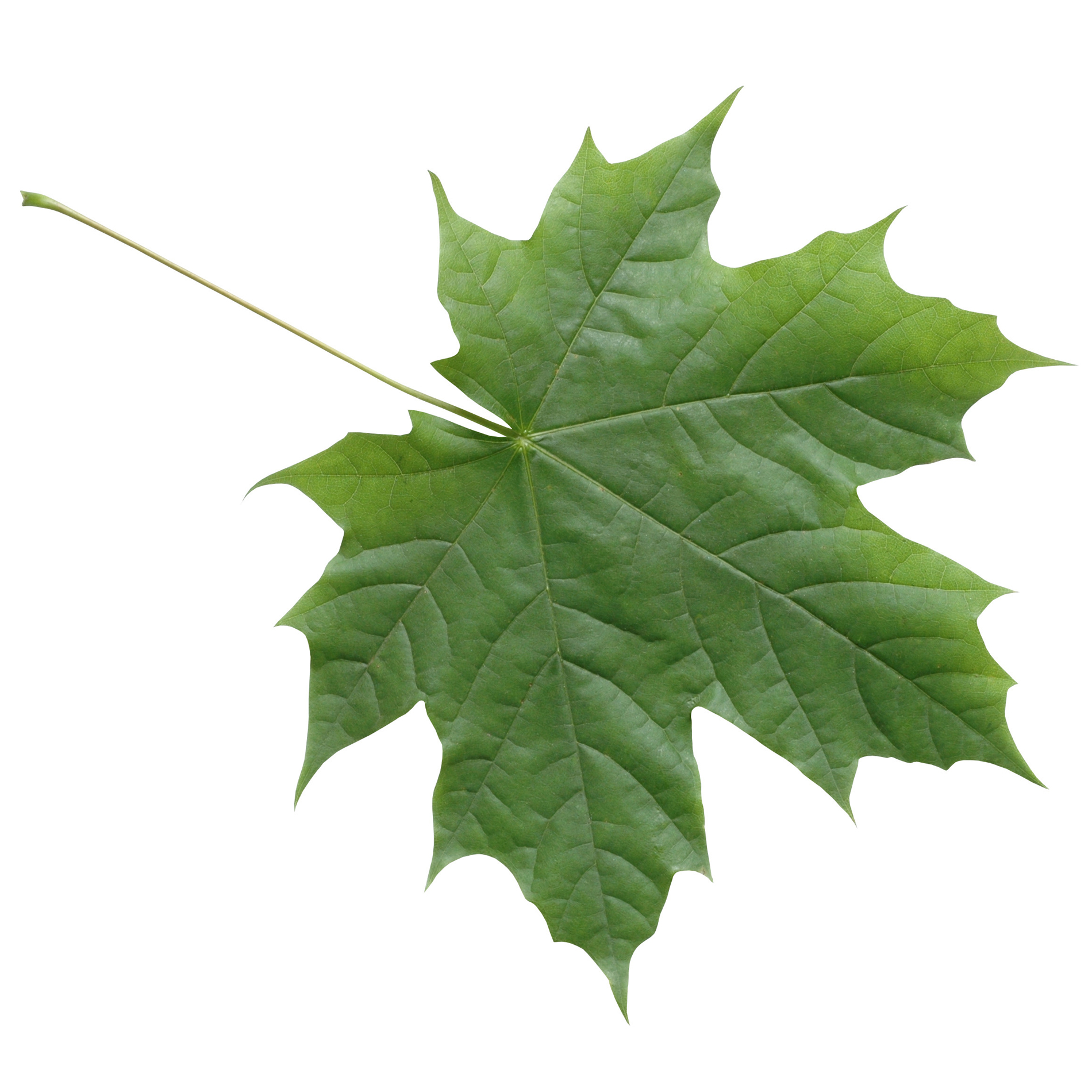
Grünes Ahornblatt mit fünf spitzen Zacken und sichtbaren Blattadern. Das Blatt ist an einem langen Stiel befestigt.

Maple – Leaf© Adobe Stock

Grünes Ahornblatt mit fünf spitzen Zacken und sichtbaren Blattadern. Das Blatt ist an einem langen Stiel befestigt.

Maple – Leaf© Adobe Stock

Ahornfrucht mit zwei hellgrünen Flügeln, die V-förmig miteinander verbunden sind. Die Frucht besteht aus zwei kleinen Samen mit langen, flachen Flügeln.

Maple – Fruit© Adobe Stock

Ahornfrucht mit zwei hellgrünen Flügeln, die V-förmig miteinander verbunden sind. Die Frucht besteht aus zwei kleinen Samen mit langen, flachen Flügeln.

Maple – Fruit© Adobe Stock

There are around 35 species of spruce , and it thrives best in mountainous regions. In Innsbruck, it ranks eighth on the list. It can grow up to 25 metres tall. In the past, it was a popular choice for Christmas trees. Its needles are silver-blue and you can smell them straight away in the forest. But be careful: spruce needles are prickly. The spruce has a shallow root system and produces cones, which are often used to make Advent wreaths.

What do the terms ‘taproot’, ‘stake root’ and ‘shallow root’ mean?

  • Heart-rooted trees: The roots spread out flat and deep, ensuring a reliable supply of nutrients and keeping the tree firmly anchored.
  • Deep tap-rooted trees: The root system reaches down to the water table and anchors the tree in the ground. These trees can grow in sandy soils or in crevices.
  • Shallow-rooted trees: The shallow root system, close to the surface, can absorb a lot of rainwater but offers the tree little stability against storms.

What apprenticeship opportunities are available for tree enthusiasts with the City of Innsbruck?

Landscape gardener

Landscape gardeners create, design and maintain private gardens, public green spaces, parks and open spaces. They plant, prune and tend to trees, shrubs, lawns and flowers. They also lay out paths, ponds or terraces and look after green roofs and green facades. The work takes place outdoors using various machines and tools.

The apprenticeship lasts three years and can also be completed as an extended four-year apprenticeship. So if living in harmony with nature is a top priority for you, an apprenticeship as a landscape gardener is just the thing!
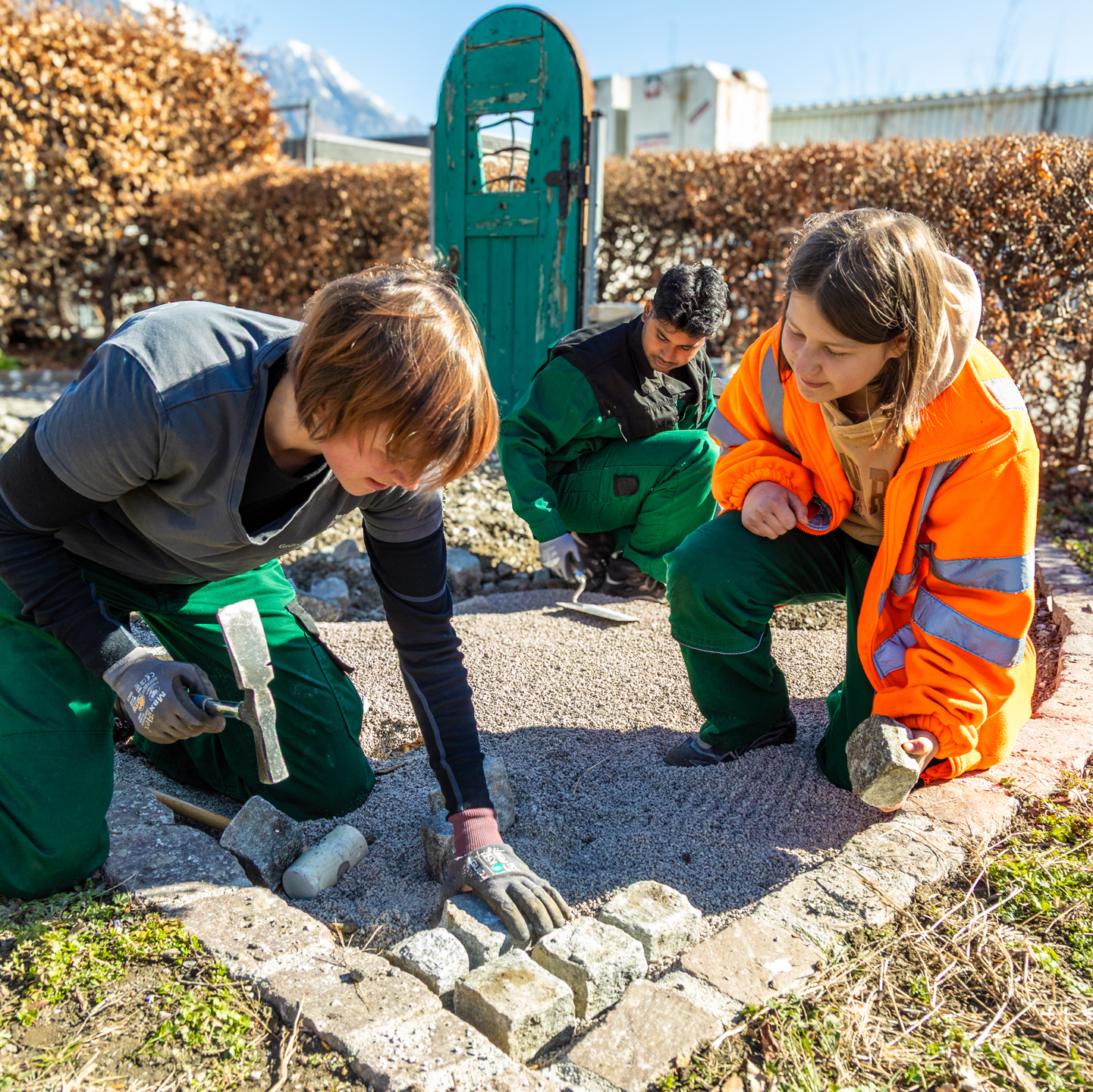
Drei Landschaftsgärtner:innen verlegen Natursteine in einer Gartenanlage. Sie knien auf einer Kiesfläche und setzen die Steine entlang einer geschwungenen Einfassung ein.

© Stadt Innsbruck/R. Kubanda

Drei Landschaftsgärtner:innen verlegen Natursteine in einer Gartenanlage. Sie knien auf einer Kiesfläche und setzen die Steine entlang einer geschwungenen Einfassung ein.

© Stadt Innsbruck/R. Kubanda

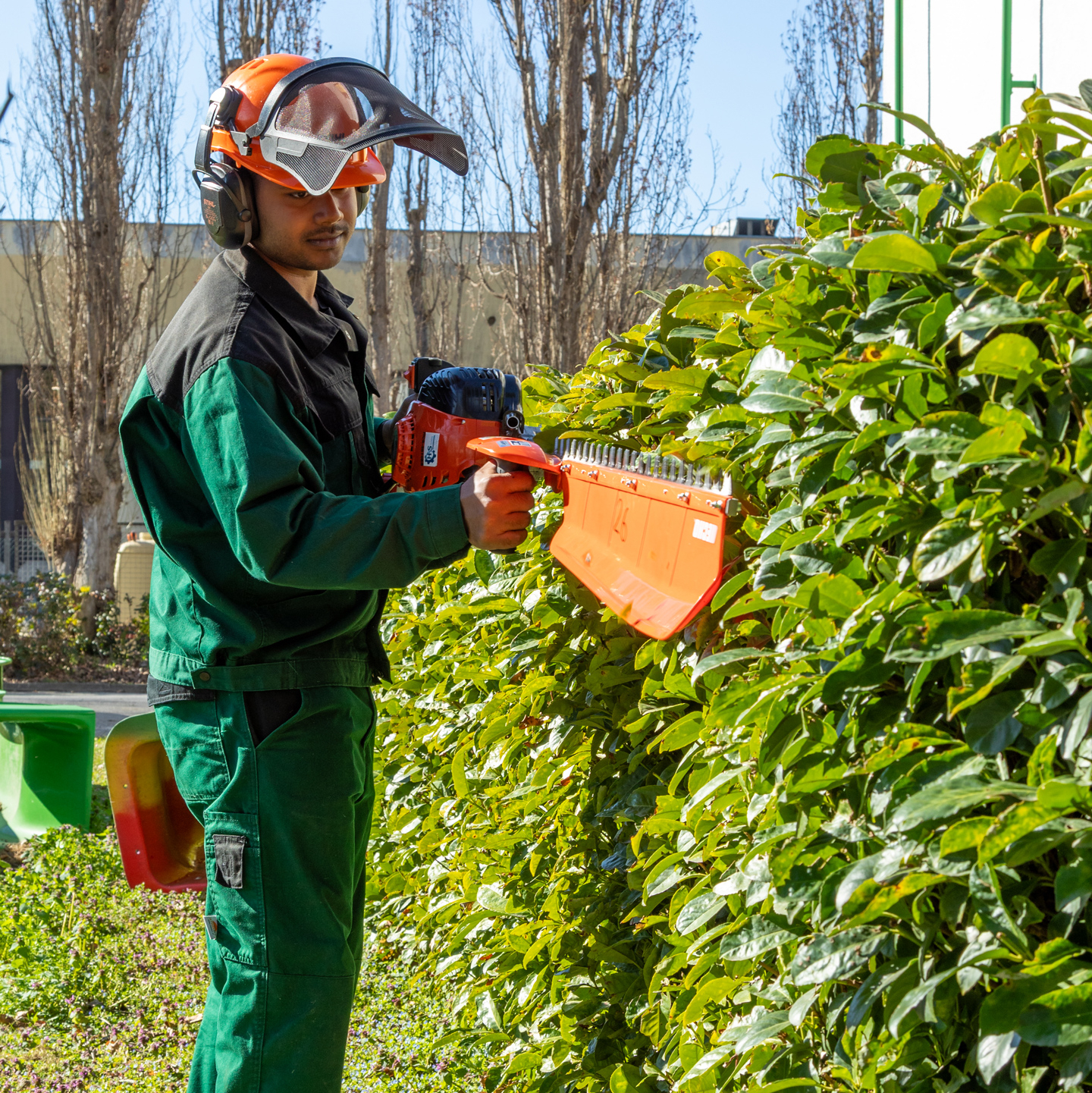
Ein Landschaftsgärtner schneidet mit einer motorisierten Heckenschere eine grüne Hecke. Die Person trägt Schutzkleidung mit Gesichts- und Gehörschutz und arbeitet an einer dichten Heckenreihe im Freien.

© Stadt Innsbruck/R. Kubanda

Ein Landschaftsgärtner schneidet mit einer motorisierten Heckenschere eine grüne Hecke. Die Person trägt Schutzkleidung mit Gesichts- und Gehörschutz und arbeitet an einer dichten Heckenreihe im Freien.

© Stadt Innsbruck/R. Kubanda

Ornamental Gardener & Cemetery Gardener

Apprentices learn the trade of ornamental plant gardener over a period of three years. As an extended apprenticeship, the training can also last four years.

In this profession, gardeners cultivate ornamental plants for gardens, parks, balconies, terraces and indoor spaces. They care for the plants from sowing right through to flowering. This requires a great deal of sensitivity, patience and in-depth knowledge of plants, soils and how to care for them. It is also important to focus on environmentally friendly and organic plant protection, for example using beneficial insects.

The training also covers the basics of floristry. Gardeners arrange bouquets and wreaths, as well as creating floral decorations for weddings, funerals and celebrations.

Cemetery gardeners also design, plant and maintain graves and cemetery grounds. Empathy, care and creativity are particularly important in this role.
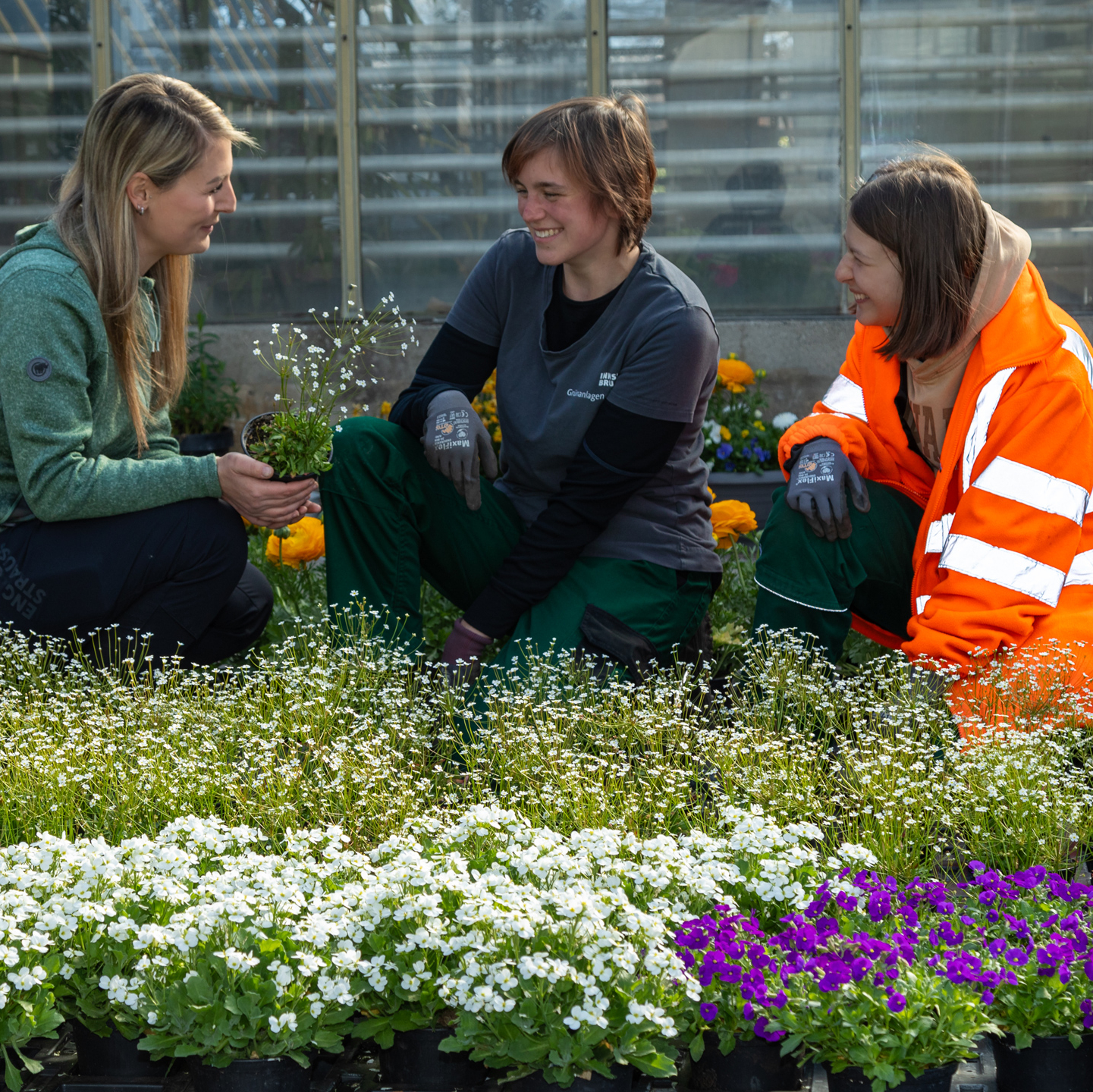
Zierpflanzengärtner:innen arbeiten zwischen blühenden Beet- und Balkonpflanzen in einem Gewächshaus. Drei Personen knien inmitten von weißen und violetten Blüten und begutachten eine Topfpflanze.

© Stadt Innsbruck/R. Kubanda

Zierpflanzengärtner:innen arbeiten zwischen blühenden Beet- und Balkonpflanzen in einem Gewächshaus. Drei Personen knien inmitten von weißen und violetten Blüten und begutachten eine Topfpflanze.

© Stadt Innsbruck/R. Kubanda

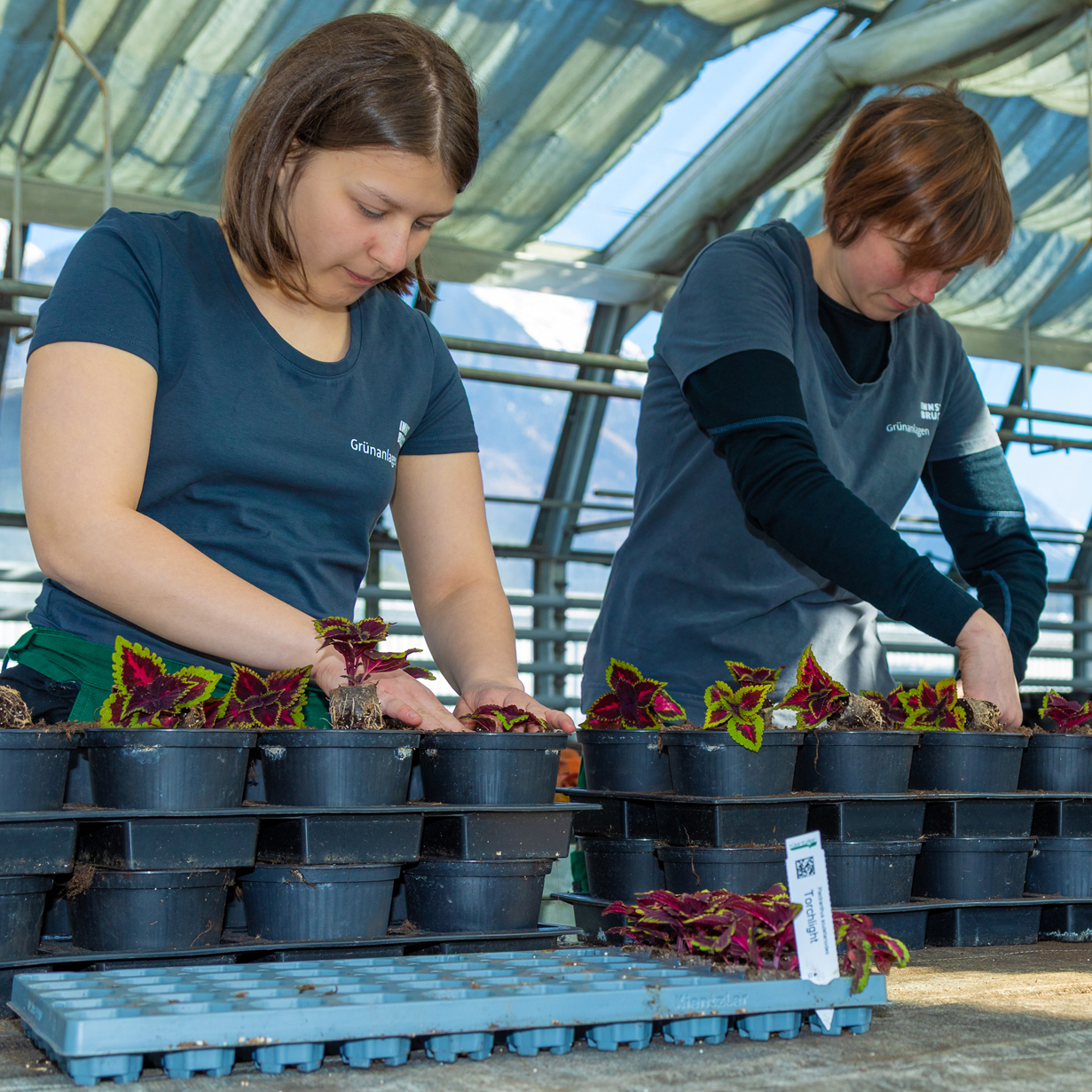
Zierpflanzengärtner:innen setzen junge Zierpflanzen in Töpfe ein. Zwei Personen arbeiten an einem Pflanztisch in einem Gewächshaus und ordnen mehrere Reihen bepflanzter Töpfe.

© Stadt Innsbruck/R. Kubanda

Zierpflanzengärtner:innen setzen junge Zierpflanzen in Töpfe ein. Zwei Personen arbeiten an einem Pflanztisch in einem Gewächshaus und ordnen mehrere Reihen bepflanzter Töpfe.

© Stadt Innsbruck/R. Kubanda

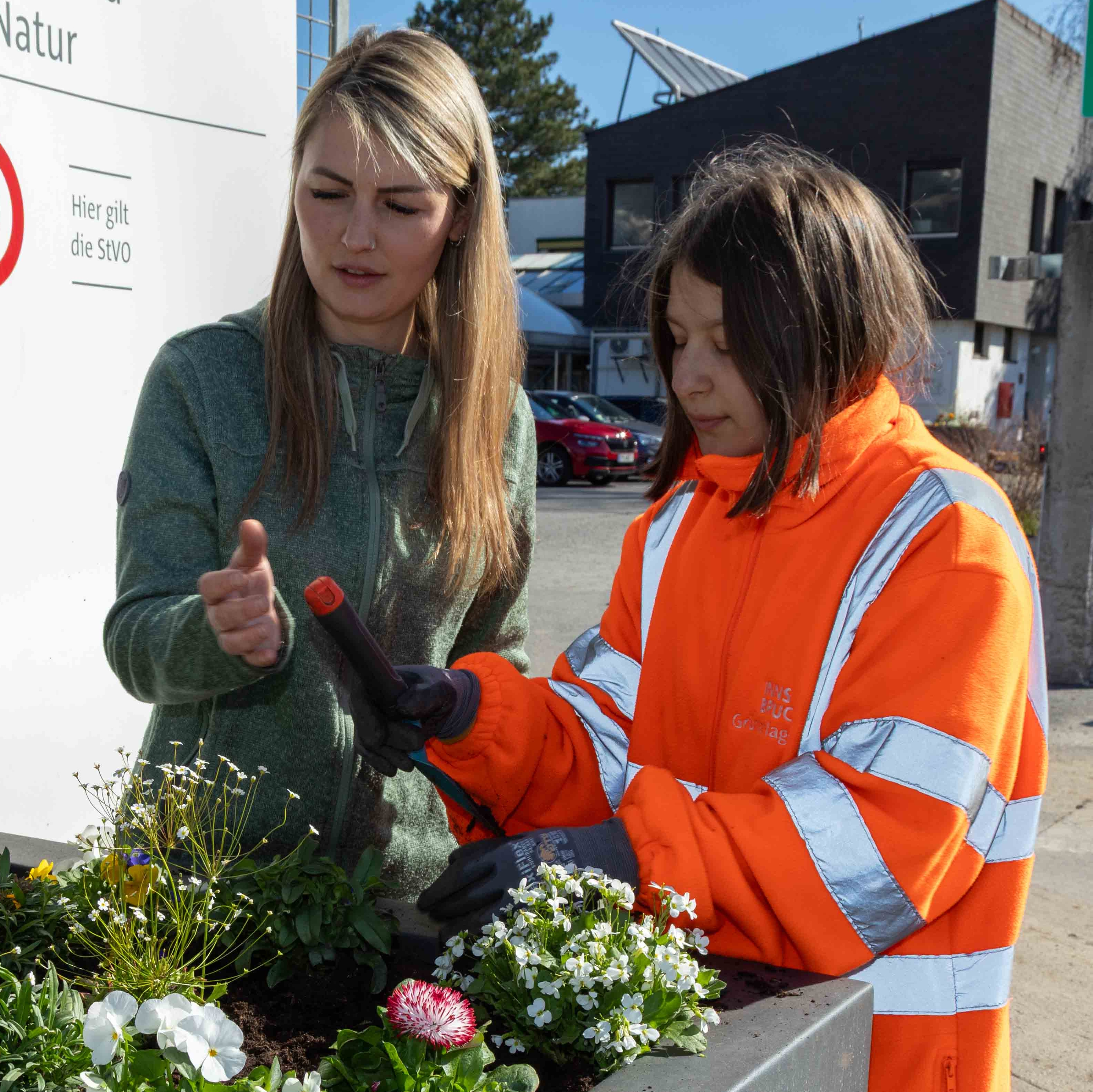
Zwei Zierpflanzengärtner:innen begutachten und pflegen blühende Zierpflanzen im Freien. Zwei Personen stehen vor einem Pflanzgefäßen mit violetten Blüten und betrachten gemeinsam eine Pflanze.

© Stadt Innsbruck/R. Kubanda

Zwei Zierpflanzengärtner:innen begutachten und pflegen blühende Zierpflanzen im Freien. Zwei Personen stehen vor einem Pflanzgefäßen mit violetten Blüten und betrachten gemeinsam eine Pflanze.

© Stadt Innsbruck/R. Kubanda